
When the whole world turns its back on you and the truth is distorted until it's almost unrecognizable, how far will you stand for the one you love? 'Black Love' (Silence), a 2017 Korean film from director Jung Ji-woo, presents the answer through the story of a father who must fight the justice system to prove the innocence of his daughter accused of murder. With a powerful performance by Choi Min-sik and a plot full of twists, this film immerses you in a world where truth and injustice are separated by only a thin line.
Plot Summary (No Spoilers)
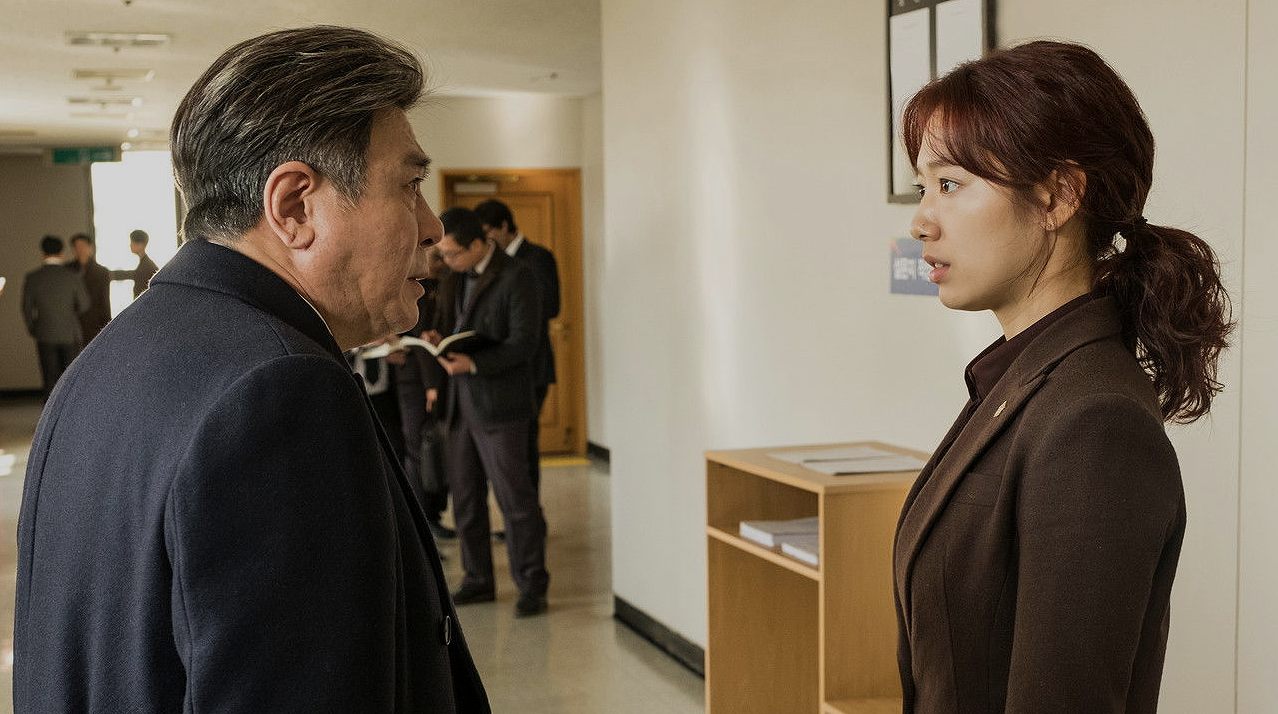
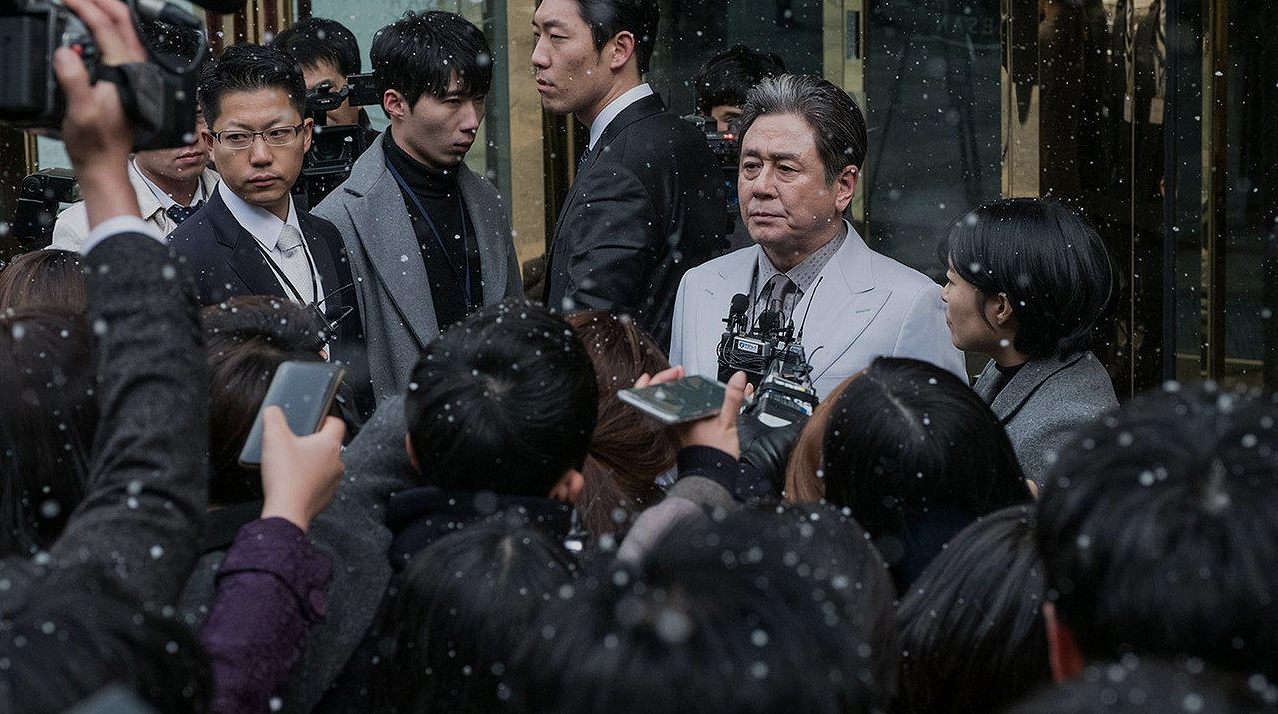
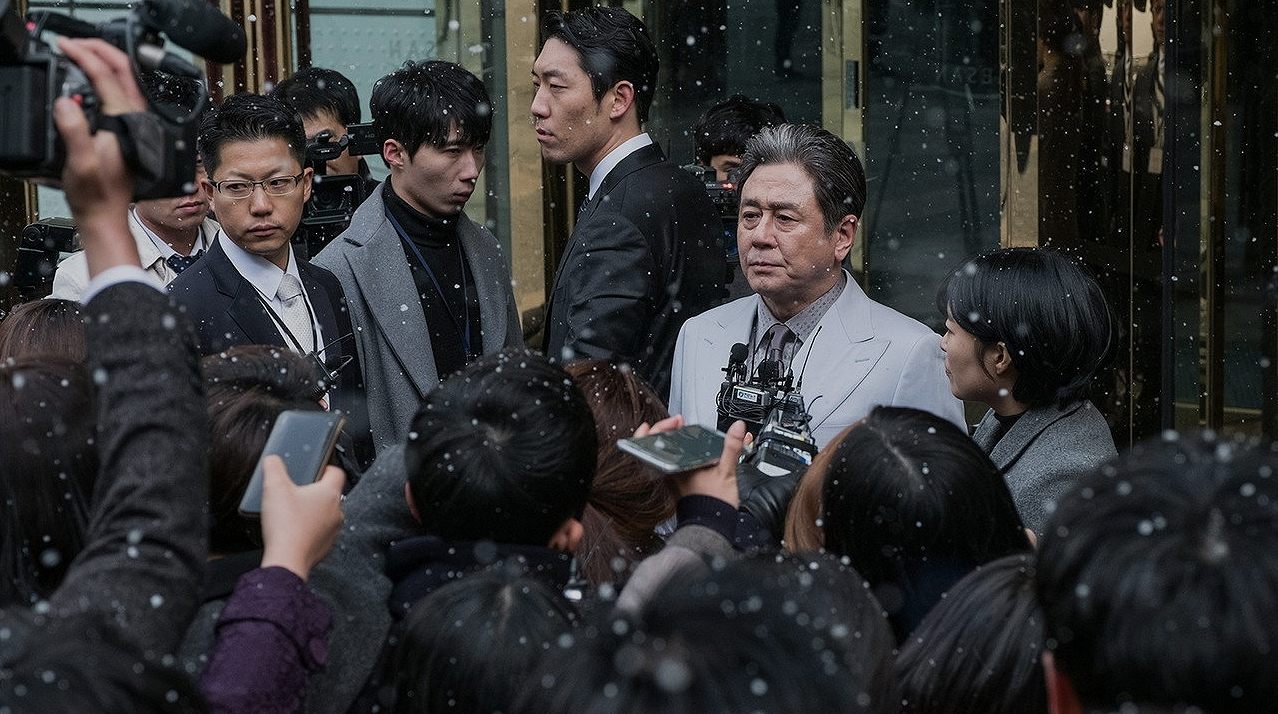
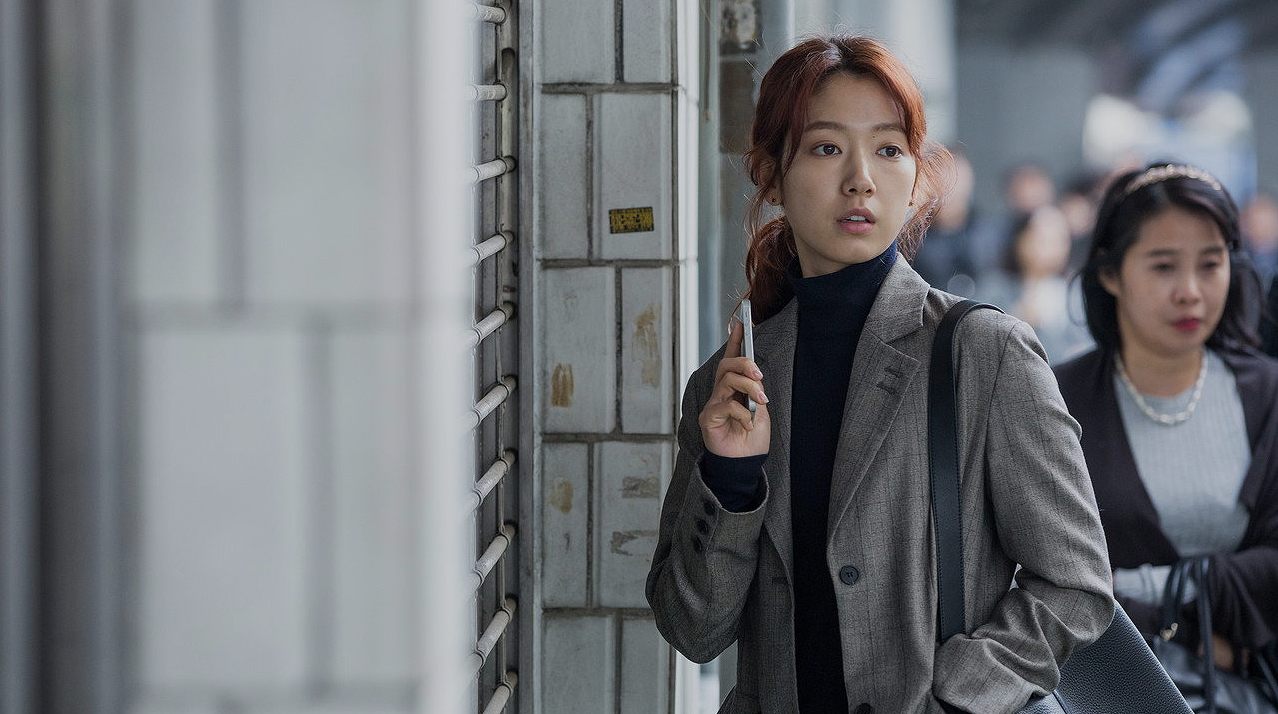
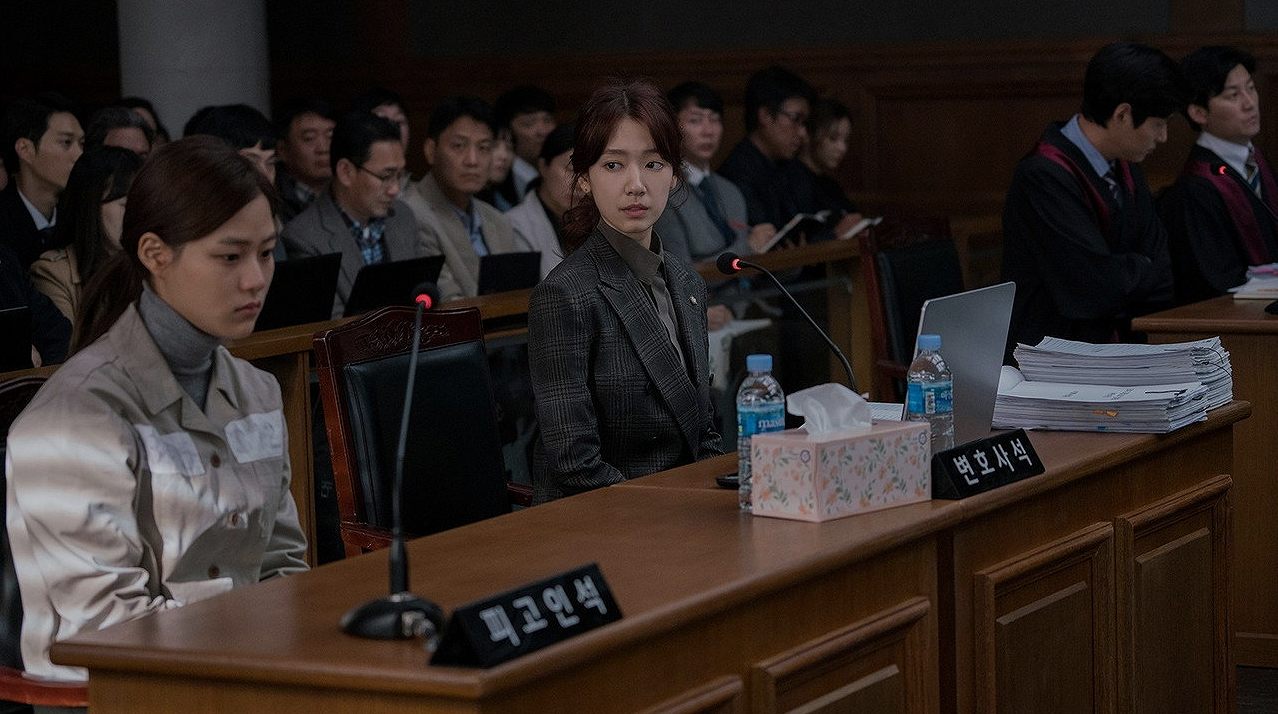
The story begins when Lim Tae-san (Choi Min-sik), a widower and successful CEO of a large company, faces a nightmare when his beloved daughter Lim Mi-ra (Lee Soo-kyung) is arrested for the brutal murder of a classmate. All evidence points to Mi-ra, but Tae-san believes his daughter is innocent, so he hires a skilled lawyer, Choi Hee-jung (Park Shin-hye), to fight the case. However, the more he investigates the truth, the more he discovers that beneath this case lies the shadow of powerful people and dark secrets that have been hidden. Tae-san's struggle is not just about proving his daughter's innocence, but about uncovering a truth that could destroy everything he has built.
Acting and Characters
The heart of the film is the performance of Choi Min-sik, who portrays the role of a determined yet vulnerable father remarkably. Every emotion—anger, sorrow, and determination—appears realistically through his eyes and body language. Meanwhile, Park Shin-hye as the sharp but troubled young lawyer does well, even with limited screen time. Ryu Jun-yeol, playing Tae-san's assistant, adds complexity to the story. Lee Hani as the wife of another suspect also creates good tension. However, some characters, like Mi-ra's classmates, are written shallowly, making their motivations seem unreasonable.
Direction, Cinematography, and Music
Director Jung Ji-woo tells the story at a slow but powerful pace, using dark-toned visuals to reflect the gloomy atmosphere of injustice. The camera work in interrogation and courtroom scenes is cleverly arranged, creating good tension. The score by Jo Young-wook enhances the emotions without overpowering them, especially in scenes where Tae-san confronts the truth. Although the film runs 125 minutes, it doesn't feel drawn out because every scene drives the story forward.
Editorial Analysis
'Black Love' is not just a typical investigative drama; it is a mirror reflecting society, questioning justice in a world where the rich and powerful can distort the law. The film also explores the father-daughter relationship tested by crisis and the loss of trust in those close to you. However, the conclusion may feel too quick for some, lacking deeper contemplation. Overall, the film creates emotional engagement and leaves a message about the value of truth and unconditional love.
Verdict
<p>'Black Love' is an intense Korean film both emotionally and socially, with excellent acting by Choi Min-sik and a plot that keeps you on edge until the last minute. Despite minor weaknesses in supporting characters, overall it is worthwhile for those who enjoy quality dramas. It is worth watching, especially if you are a fan of Korean films about family and justice.</p>
Screenshots
👍 Pros
- +Choi Min-sik's powerful and emotionally resonant performance
- +Complex, engaging plot with good twists
- +Atmosphere and cinematography that enhance tension
- +Social issues about justice and power are brought to light
👎 Cons
- −Some supporting characters are underdeveloped, making motivations weak
- −The conclusion may be too quick for those who prefer gradual resolution
Top Cast





FAQ
The film was released in 2017.
Starring Choi Min-sik (as Lim Tae-san), Park Shin-hye (as Choi Hee-jung), Ryu Jun-yeol (as Kim Dong-myung), Lee Hani (as Park Yu-na), and Lee Soo-kyung (as Lim Mi-ra).
No, it is a fictional story but inspired by several crime cases in Korea and reflects social justice issues.
Suitable for fans of investigative dramas focusing on emotion and performance, such as films by Bong Joon-ho or other Choi Min-sik works.